
Winter Practice and the Obstacles of Yoga
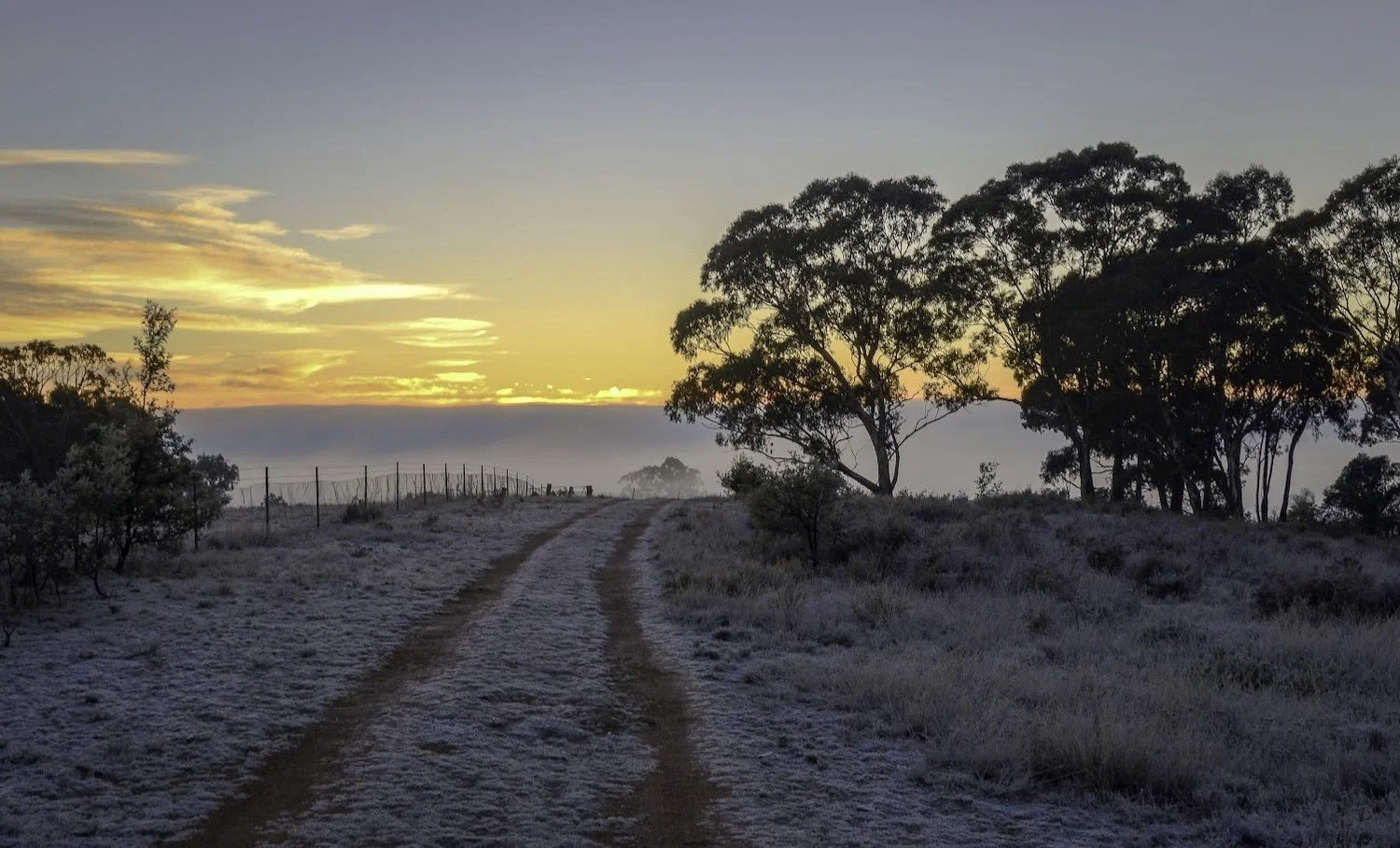
As the colder months arrive, many practitioners notice subtle changes in their relationship to practice. The alarm feels harder to answer. The body is stiffer in the morning. Motivation becomes inconsistent. What was steady and clear in summer can suddenly feel heavy, fragmented, or uninspired.
In modern culture these changes are often explained simply as fatigue, busyness, or lack of motivation. Yet in the Yoga Sutras, Patañjali described these difficulties with remarkable precision centuries ago. In the Introduction to Light on Yoga, B. K. S. Iyengar outlines the chitta viksepas — the distractions and obstacles that disturb the mind and hinder progress in yoga.
These obstacles are not abstract philosophical ideas reserved for advanced practitioners. They are deeply practical realities that anyone with a regular yoga practice will recognise. And during winter, many of them become more pronounced.
Yoga is often spoken about in terms of benefits: improved flexibility, steadier nerves, better breathing, emotional balance, clarity of mind. But the tradition is equally concerned with what interrupts those benefits. The obstacles described by Patañjali explain not only why practice weakens, but why the mind loses steadiness and why the transformative effects of yoga can fade when continuity is lost.
The First Obstacle: Vyadhi - Illness and Physical Imbalance
Patañjali begins with vyadhi, sickness or ill-health.
Iyengar writes that the body is the “prime instrument of attainment.” If the body is compromised, practice becomes difficult. Winter naturally brings greater susceptibility to colds, respiratory illness, fatigue, and stiffness. Shorter days and colder temperatures can also reduce circulation and vitality.
Many practitioners respond to this by abandoning practice entirely, yet often it is precisely during these periods that practice becomes most necessary - though perhaps in modified form.
The problem is not only physical illness itself, but the mental dullness that accompanies it. When energy drops, the mind becomes inert, restless, or clouded. Concentration weakens. Regularity disappears.
A balanced winter practice therefore requires intelligence rather than intensity. Stronger or more stimulating asana may at times be necessary to overcome heaviness and stagnation, while at other times restorative work and pranayama may be more appropriate. The important thing is continuity.
Even a shortened practice maintains the thread of discipline.
Styana and Alasya - Mental Dullness and Laziness
Two obstacles described by Patañjali become especially familiar during winter: styana (mental stagnation or lack of enthusiasm) and alasya (laziness).
These are not exactly the same thing.
Styana is a kind of psychological inertia. One loses sharpness, inspiration, and direction. Practice begins to feel mechanical or burdensome. The practitioner may still go through the motions outwardly while inwardly becoming passive and disengaged.
Alasya, by contrast, is the refusal to exert energy at all.
Winter easily nourishes both tendencies. Cold weather encourages comfort-seeking and withdrawal. The body contracts. One chooses warmth, distraction, entertainment, or sleep over effort and discipline. Missing one practice quietly becomes missing a week.
Iyengar’s response to this obstacle is not harshness, but virya — sustained enthusiasm and courage. Discipline in yoga is not meant to be punitive. It is an expression of value and devotion.
This is where regular practice reveals its deeper purpose. If yoga is pursued only when convenient or pleasurable, then practice remains dependent upon mood and circumstance. But when practice continues despite heaviness, resistance, or dullness, steadiness of mind begins to develop.
In this sense winter becomes an opportunity rather than merely an obstacle.
Samsaya - Doubt
Doubt often increases when practice becomes inconsistent.
One begins to question:
Is yoga really helping?
Why am I not progressing?
Am I practicing correctly?
Is this effort worthwhile?
Patañjali identifies samsaya - doubt or indecision - as a major hindrance because it fragments energy. The doubting mind cannot fully commit itself.
Modern yoga culture can intensify this obstacle. Constant comparison, endless information, and unrealistic expectations create uncertainty. During winter, when energy is lower and practice may feel less expansive, practitioners can wrongly assume they are regressing.
Yet yoga is not linear. Some seasons are expansive and energetic; others are quieter and more introspective. Winter practice often teaches patience and consistency more than achievement.
Iyengar emphasises faith - not blind belief, but trust developed through experience. Practice itself becomes the antidote to doubt. One may not feel immediate transformation every day, but over months and years the effects accumulate: steadier nerves, clearer perception, resilience, and emotional balance.
Avirati - The Pull of Comfort and Sensory Distraction
Perhaps one of the most contemporary obstacles is avirati — attachment to sensory pleasure.
In winter the temptation toward comfort intensifies:
staying in bed,
overeating,
scrolling endlessly,
seeking distraction rather than attentiveness,
avoiding discomfort altogether.
Yoga does not condemn pleasure, but it does ask whether we are ruled by impulse or capable of conscious choice.
The difficulty is that comfort often disguises itself as self-care. Yet not every comforting action restores us. Some merely dull sensitivity and weaken vitality further.
A regular yoga practice gradually changes one’s relationship to comfort. Instead of always seeking immediate ease, the practitioner becomes more willing to encounter temporary discomfort for the sake of clarity and stability.
This is particularly visible in winter practice. Entering a cold practice space, beginning when the body feels resistant, or sustaining attention when the mind wants distraction - these become subtle forms of tapas, disciplined effort.
And often, once practice begins, the very resistance that seemed overwhelming dissolves within minutes.
Alabdha Bhumikatva and Anavasthitattva - Inconsistency and Loss of Momentum
These two obstacles may describe the modern practitioner better than any others.
Alabdha bhumikatva refers to the inability to attain steadiness or continuity. One practices intermittently, gains glimpses of clarity or depth, but cannot sustain them.
Anavasthitattva is the inability to maintain progress once attained.
Many practitioners experience cycles of enthusiasm followed by collapse. A strong period of practice is interrupted by work, illness, weather, travel, or loss of motivation. Rebuilding momentum then feels difficult.
Winter frequently exposes this instability.
What is important here is understanding that yoga develops through continuity far more than intensity. A modest daily practice maintained consistently has greater transformative effect than occasional bursts of ambitious effort.
Iyengar repeatedly emphasised regularity. The benefits of yoga emerge not through isolated experiences, but through cumulative repetition over long periods.
Winter therefore asks an important question: Can practice continue when inspiration fades?
If the answer is yes, then yoga begins to mature beyond preference and mood.
The Four Remedies: Maitri, Karuna, Mudita, and Upeksa
Patañjali does not merely diagnose obstacles; he also offers remedies.
Iyengar describes four attitudes that bring steadiness to the mind:
Maitri - friendliness,
Karuna - compassion,
Mudita - delight in the success of others,
Upeksa - balanced self-reflection without judgement.
These remedies are deeply relevant during winter, when people often become more withdrawn, irritable, isolated, or self-critical.
Many practitioners become harsh with themselves when practice weakens. They interpret inconsistency as failure rather than recognising it as part of the human condition.
Maitri encourages friendliness toward oneself and others.
Karuna reminds us that practice should cultivate sensitivity rather than self-absorption.
Mudita counters jealousy and comparison.
Upeksa develops honest self-observation without superiority or despair.
Together, these attitudes create emotional balance - something as essential to yoga as physical discipline.
Why Asana and Pranayama Matter Especially in Winter
Toward the end of the passage on obstacles and distractions, Iyengar makes a striking practical observation: for most ordinary people, the quietening of the mind is approached most directly through asana and pranayama.
This is especially relevant in winter.
When the body becomes heavy, the mind often follows. Breath shortens. Energy stagnates. Emotional dullness increases. Asana restores circulation, warmth, mobility, and alertness. Pranayama steadies the nervous system and refines mental focus.
The two work together.
A regular winter practice therefore becomes more than exercise. It is a deliberate method for preventing the mind from sinking into inertia, fragmentation, and restlessness.
Even a simple daily structure can have profound effects:
consistent waking,
regular asana,
conscious breathing,
exposure to fresh air and light,
disciplined rest,
and reduced sensory overload.
These are not merely wellness habits. They are supports for clarity.
Winter as Practice
Winter naturally reveals where resistance exists.
It shows whether practice depends upon ideal conditions or whether it has become integrated into life more deeply. The obstacles described by Patañjali are not signs of failure; they are part of the terrain of practice itself.
The yogi, as Iyengar writes, studies these obstacles carefully, just as a general surveys a battlefield.
In this sense, winter may actually be one of the most valuable seasons for practice. Not because it is easy, but because it exposes the habits that weaken continuity and clarity. To continue practicing through coldness, resistance, dullness, and doubt is itself transformative.
The reward is not merely physical flexibility or fitness, but something steadier: a quieter mind, greater resilience, and the gradual cultivation of inner stability amidst changing conditions.
Interested in making a yoga practice part of your daily routine? Check out our in-person / online weekly timetable here.

James Hasemer
James Hasemer is the Founder and Director of Central Yoga School and a Senior Iyengar Yoga Teacher, Assessor, and Moderator. He has also served on the Iyengar Yoga Australia Board as Teacher Director and Teacher’s Committee Chair from 2021 - 2025.
References
[1] Iyengar, B.K.S. Light on Yoga