
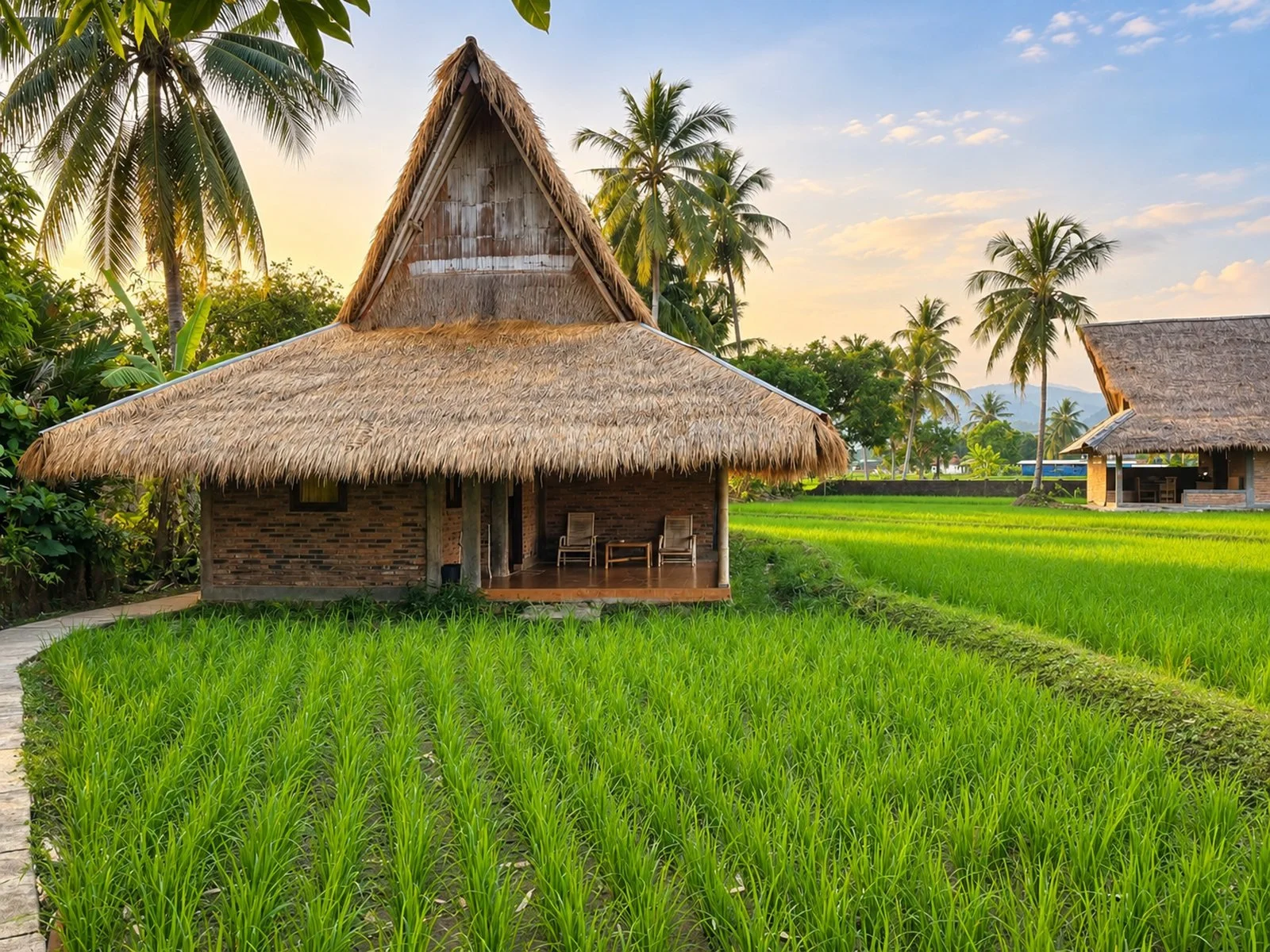
I occasionally joke, when attending to a struggling student who has recently returned from some overseas jaunt, that holidays are no good for anyone. This can produce a few smirks, but there is some truth to the comment.
Many return jet-lagged, unwell or slightly discombobulated from the change in their routine – almost as if they need another holiday to recover from the first one!
Of course, holidays have their place. Getting away from work and everyday responsibilities can be refreshing and worthwhile. Travelling, spending time with family and friends, or simply having fewer commitments can provide a fresh change. But what happens to our yoga practice during this time?
Changes to our usual routine, whether through holidays, travel or other responsibilities, can make maintaining a regular yoga practice more difficult. The familiar structure of classes and allocated practice times may disappear, and it can be easy to put practice aside until life returns to normal. But does a change in our usual routine necessarily mean taking a break from yoga practice?
The importance of regular practice
One of the distinguishing features of the Iyengar method is the emphasis placed on regular, sustained practice. The benefits of yoga are not simply the result of attending an occasional class or performing a particular sequence of postures. They develop progressively through repetition, observation and refinement.
When we practise regularly, we become more familiar with the actions required in each asana. We begin to recognise habitual patterns in the body, understand where we are restricted and learn how to work more intelligently. What initially requires considerable concentration gradually becomes more accessible, allowing us to observe increasingly subtle aspects of the practice.
This process also extends beyond the physical body. Through the sustained practice of asana and pranayama, we develop greater sensitivity to the breath, the senses and the movements of the mind. The body becomes an instrument through which we learn to observe ourselves.
B.K.S. Iyengar frequently emphasised the importance of discipline and consistency. In Sparks of Divinity, he makes a particularly practical observation about the development of regular practice:
“Every day do five or ten minutes, even if it bores you. Then you conquer the monotony, and you will succeed.”
There is something quite revealing about this advice. Iyengar acknowledges that practice is not always exciting or particularly appealing. There will be days when we would rather do something else. His suggestion is not to wait for motivation, but to establish the discipline of practising regardless.
Five or ten minutes may not seem like much, but it is more than nothing. At worst, it at least maintains a connection with the routine of regular practice; at best, it can be surprising where five or ten minutes can lead once you actually get on your mat and start!
What happens when we stop practising?
When we stop practising for an extended period, it is worth considering what we stand to lose and how difficult it can be to re-establish the routine.
Some of the physical familiarity we have developed may become less accessible. The body can feel less responsive, and returning to familiar asanas may require more effort than expected. The breath may feel less regulated, and the concentration developed through regular practice may take time to re-establish.
There is also the question of habit. When a regular practice is interrupted, it can be surprisingly easy to postpone returning to it. What begins as a few days away can extend into several weeks, and sometimes longer. January arrives, the usual routine has not quite resumed, and suddenly another month has passed.
Regularity is not just a matter of maintaining physical ability. The discipline of practice is developed over time, through repetition and consistency. Each time we practise, we reinforce that discipline; when we repeatedly put it aside, the habit becomes harder to sustain.
Practising away from home
Practising while travelling can present some obvious challenges. There may be no dedicated space, limited room to move, and few, if any, of the props we normally rely on. It is tempting to regard these limitations as obstacles to a proper practice. However, they can also provide an opportunity to approach things differently.
Without the usual array of props readily available, we may find ourselves exploring ways of working that we would not ordinarily consider. Sequences can be adapted to suit the available space, and familiar asanas approached from a different perspective. Some of these experiments may prove surprisingly revealing. We can discover that we have become accustomed to relying on certain props or arrangements, and that removing them can bring a freshness to our approach.
This does not mean that props are unnecessary – their value is fundamental to the Iyengar method. But being temporarily without them can encourage resourcefulness and a closer examination of how we work. Sometimes, the restrictions imposed by our surroundings can teach us something that the comfort and convenience of our usual practice space do not.
Is a change of scenery the same as a change within?
We often associate holidays with freedom. Leaving behind familiar surroundings and responsibilities can provide a welcome change of perspective. Travelling somewhere different, experiencing another culture or spending time in nature can all help us to see things differently.
But is the freedom we seek necessarily dependent on going somewhere else?
In Light on Life, B.K.S. Iyengar offers an interesting perspective:
“You do not need to seek freedom in a different land, for it exists with your own body, heart, mind, and soul.”
This is worth considering in the context of yoga practice. While travelling can provide a change of environment, the awareness and clarity we seek are not necessarily found in another place. They can be cultivated through the practice itself.
In Iyengar Yoga, the body is used as an instrument for observing and quietening the mind. The precision required in performing an asana demands attention. We learn to distinguish between unnecessary effort and intelligent action, between physical movement and the more subtle awareness that accompanies it. Over time, this attention can extend beyond the practice room.
We can travel halfway around the world, but we still take ourselves with us. Our habits, reactions and patterns of thinking do not disappear simply because our surroundings have changed. A holiday may provide a temporary escape from familiar circumstances, but it does not necessarily change how we respond to them.
The work of yoga is concerned with something more fundamental.
Allowing practice to change
There is a tendency to associate a successful practice with physical effort and achievement. We may measure it by how many asanas we perform, how long we hold them or how demanding the sequence has been.
However, the Iyengar method encompasses a much wider range of practice. The appropriate work depends on the individual's circumstances, experience, energy and condition.
At certain times, a more active practice may be appropriate. At others, supported asanas, forward bends, inversions or restorative work may be more beneficial. Learning to recognise these differences is an important part of developing an intelligent and sustainable practice.
This is particularly relevant during the holiday period. Rather than feeling that we must maintain our usual sequence or duration of practice, we can allow its nature to change. A quieter practice may be appropriate after a busy day of travelling or social commitments. A shorter sequence may be all that time permits. On other days, we may have the opportunity to practise for longer than usual.
The important thing is to recognise what is appropriate, rather than approach practice as something that must be completed according to a fixed expectation.
Finding a balance
A holiday provides an opportunity to step away from the familiar demands of everyday life. There is no reason why this should be regarded as competing with yoga practice.
Equally, there is no need to regard the holiday period as a complete interruption to our practice. A few minutes of asana or pranayama, undertaken with attention, can help maintain continuity without imposing an unrealistic expectation on our time.
Ultimately, the discipline of yoga is not about maintaining an inflexible routine. It is about developing an understanding of practice that can be sustained through different circumstances and stages of life. There will be periods when we practise more, and others when we need to modify what we do. What matters is developing the discernment to recognise the difference.
Perhaps we do need a holiday from some of the demands of everyday life. But we do not necessarily need to take a holiday from the awareness, attention and understanding that yoga seeks to cultivate.
Maintaining the rhythm of practice at Central Yoga School
At Central Yoga School, we recognise the importance of maintaining some continuity in practice over the Christmas and New Year period. While the regular timetable pauses for approximately two weeks, we make an effort to keep classes running, offering a selection of workshops throughout the festive period rather than closing the studio for an extended break.
For some, this may mean continuing with a familiar pattern of practice; for others, it offers an opportunity to attend additional classes or spend time working on aspects of their practice that may receive less attention during the regular timetable.
Interested in making a yoga practice part of your daily routine? Check out our in-person / online weekly timetable here.
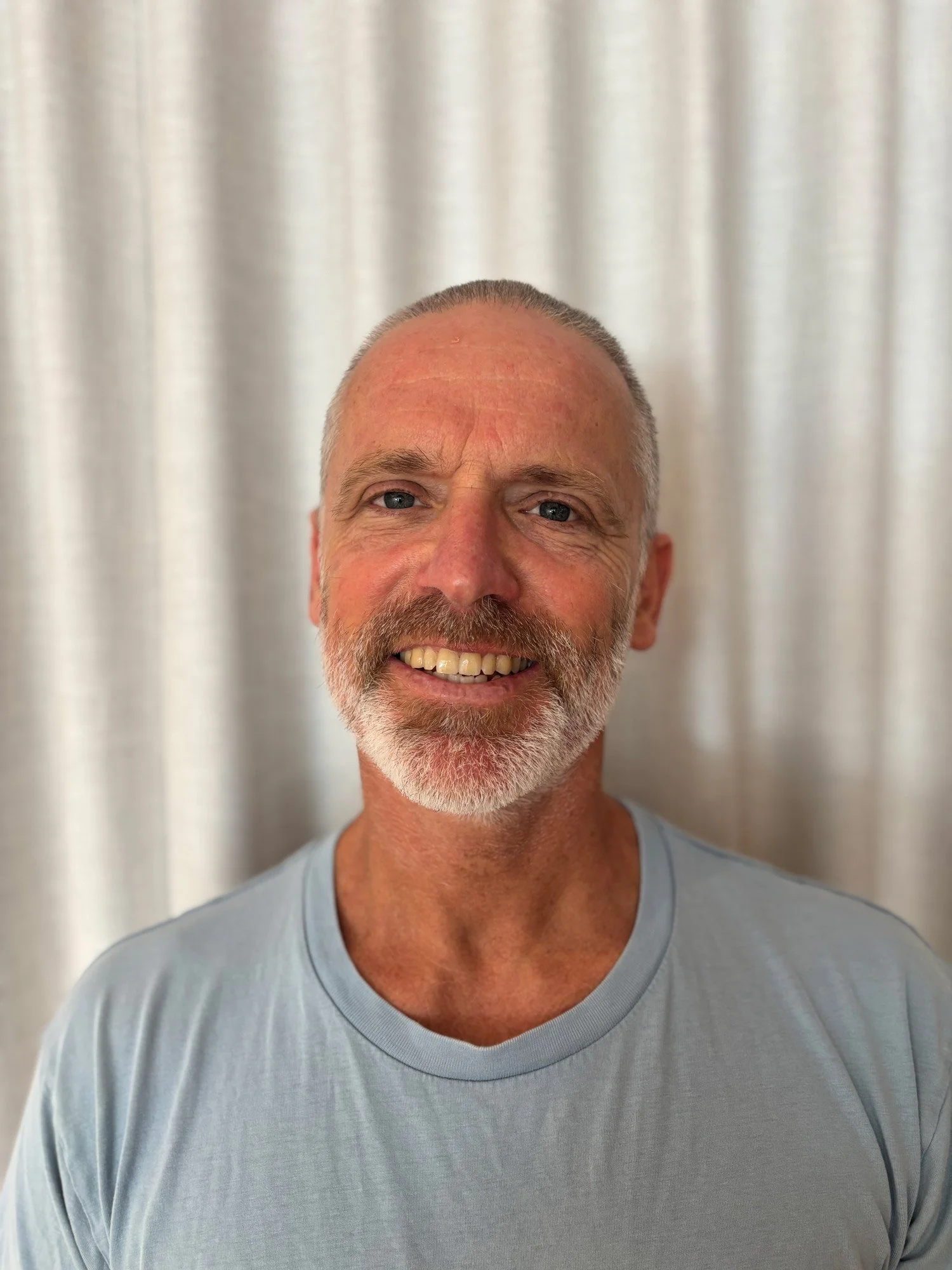
James Hasemer
James Hasemer is the Founder and Director of Central Yoga School and a Senior Iyengar Yoga Teacher, Assessor, and Moderator. He has also served on the Iyengar Yoga Australia Board as Teacher Director and Teacher’s Committee Chair from 2021 - 2025.
References
B.K.S. Iyengar, Sparks of Divinity: The Teachings of B.K.S. Iyengar, compiled by Noëlle Perez-Christiaens (1976), p. 42
B.K.S. Iyengar, Light on Life: The Yoga Journey to Wholeness, Inner Peace, and Ultimate Freedom (2005), p. xxii.